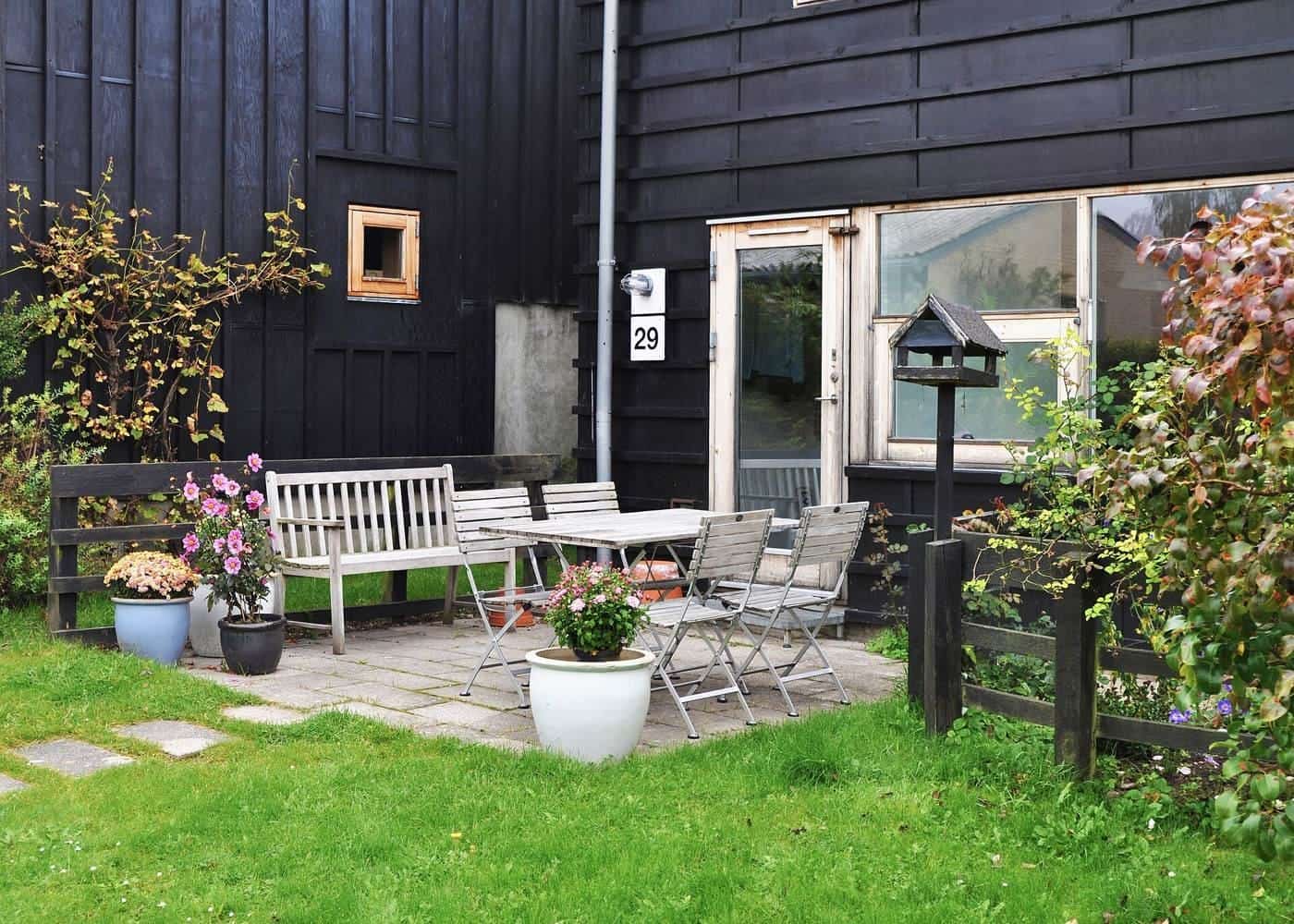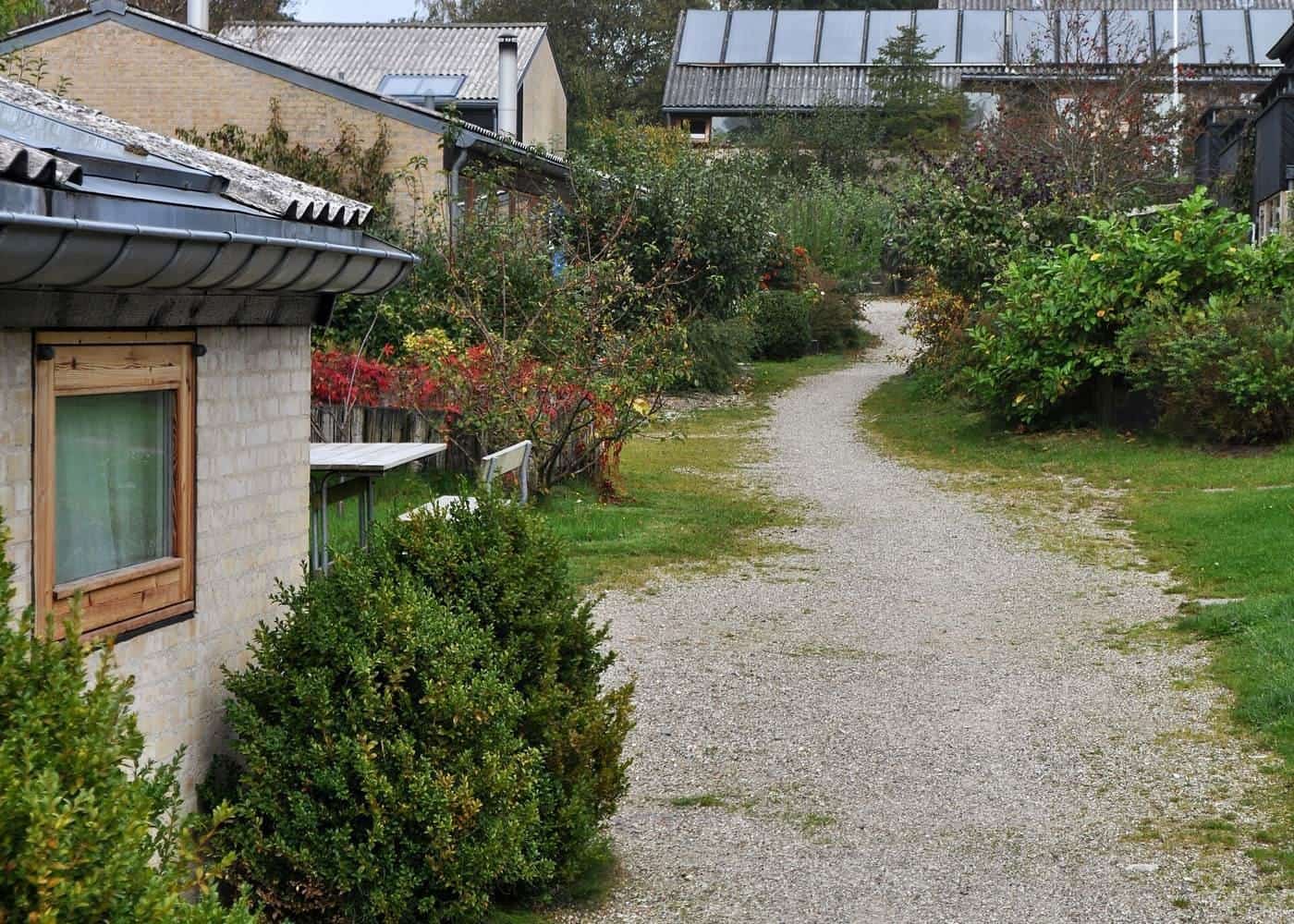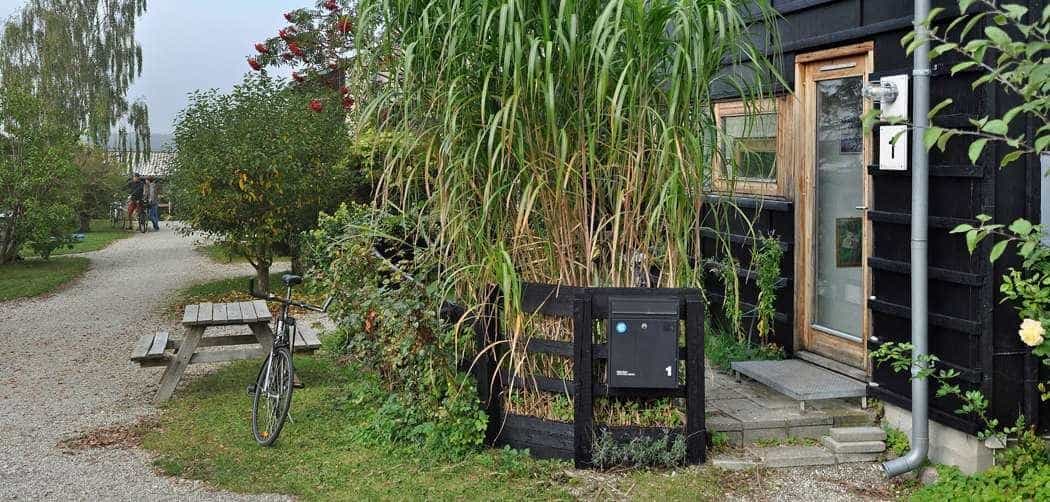
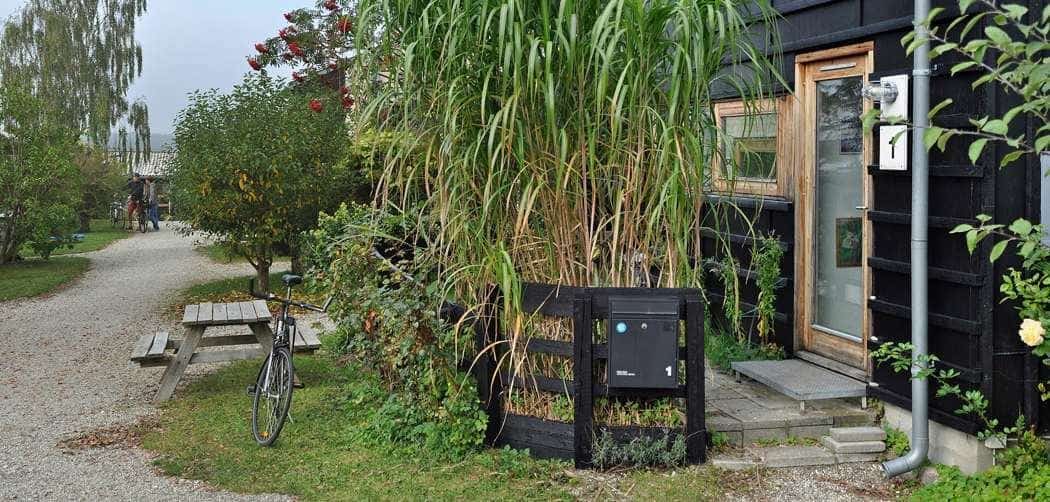
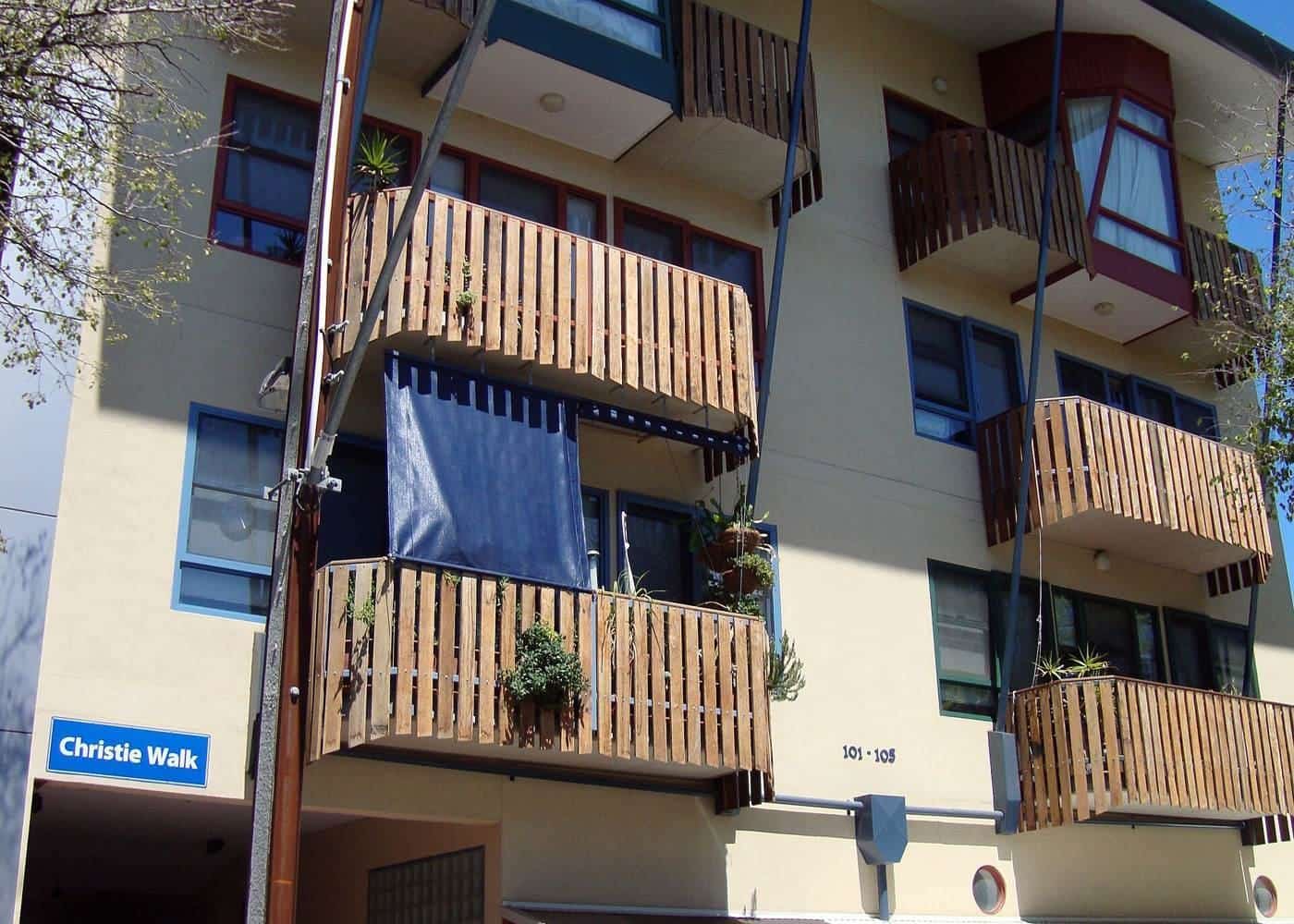
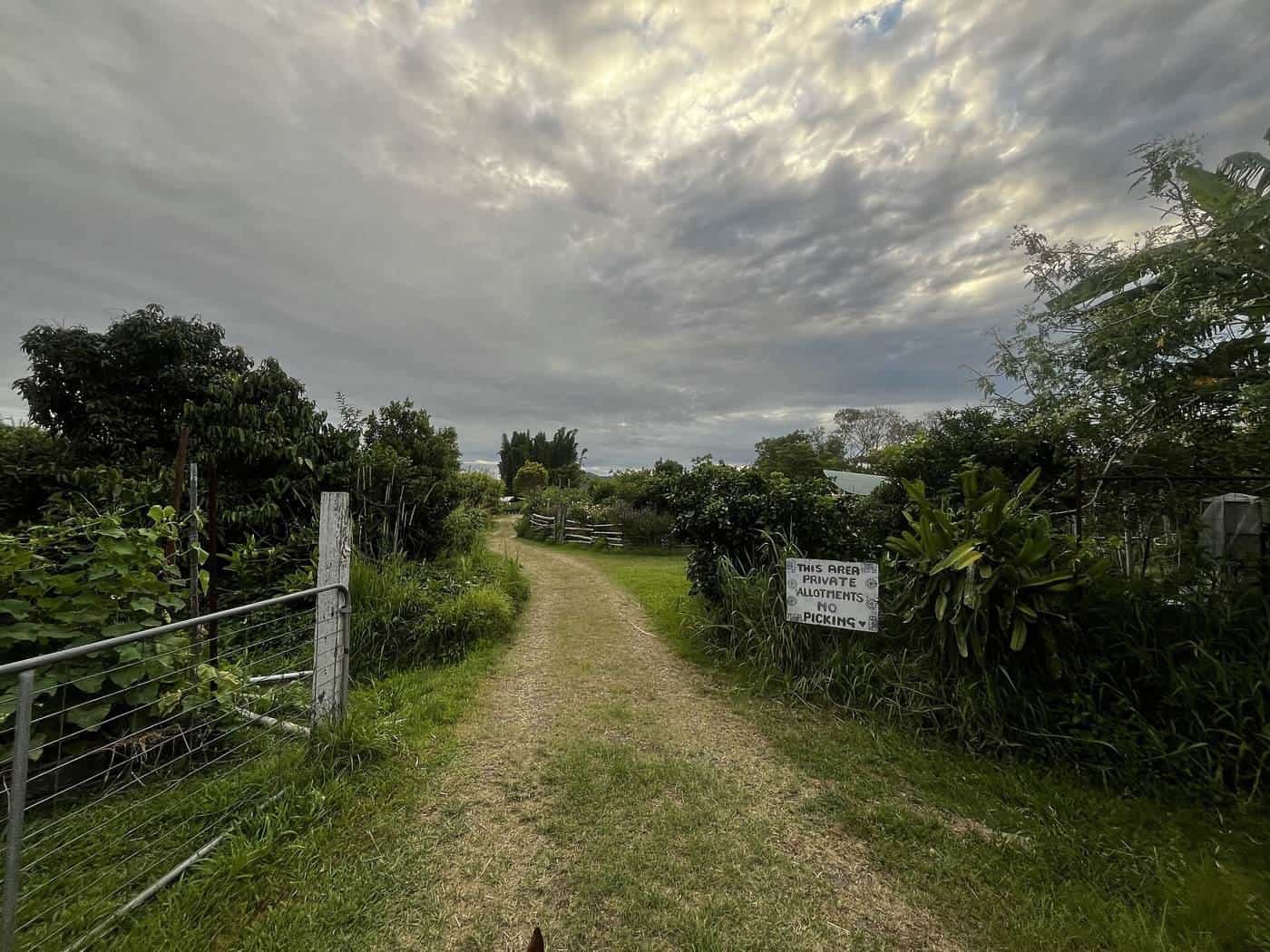
More Australians are looking for a different way to live. Housing is expensive, many people feel isolated, and suburban houses and apartment blocks often offer little sense of community. Cohousing offers an alternative: a small neighbourhood of private homes clustered around shared spaces, where residents know each other, share some meals and work, and make decisions together.
Cohousing.com.au is an independent, plain-English guide for Australians exploring cohousing, whether you're curious about the idea, looking to join a community, or starting a group of your own. We explain what cohousing is and where it came from, how communities are structured, financed and designed in Australia, and what daily life is like. Our guides draw on research, government and community sources, and we link to them so you can read further.
1970s
First communities
Denmark
10–40
Typical households
Varies widely
Resident-led
Defining feature
Design and management
What is cohousing?
Our what is cohousing section covers the basics:
- Cohousing explained: private homes, shared spaces and six defining features.
- A short history: from Danish families in the 1960s to Australia today.
- Cohousing in Australia: communities, models and barriers.
- Seniors cohousing: ageing in a supportive, resident-run community.
Starting a community
Our starting a community section walks through each stage:
- Forming a group: members, vision, decisions and early structures.
- Legal structures: strata, company title, co-operatives and more.
- Finance and costs: stages of cost, finance options and risk.
- Design and planning: layouts, the common house and approvals.
Living together
Our living together section covers daily life:
- Decision-making: consensus, sociocracy, meetings and conflict.
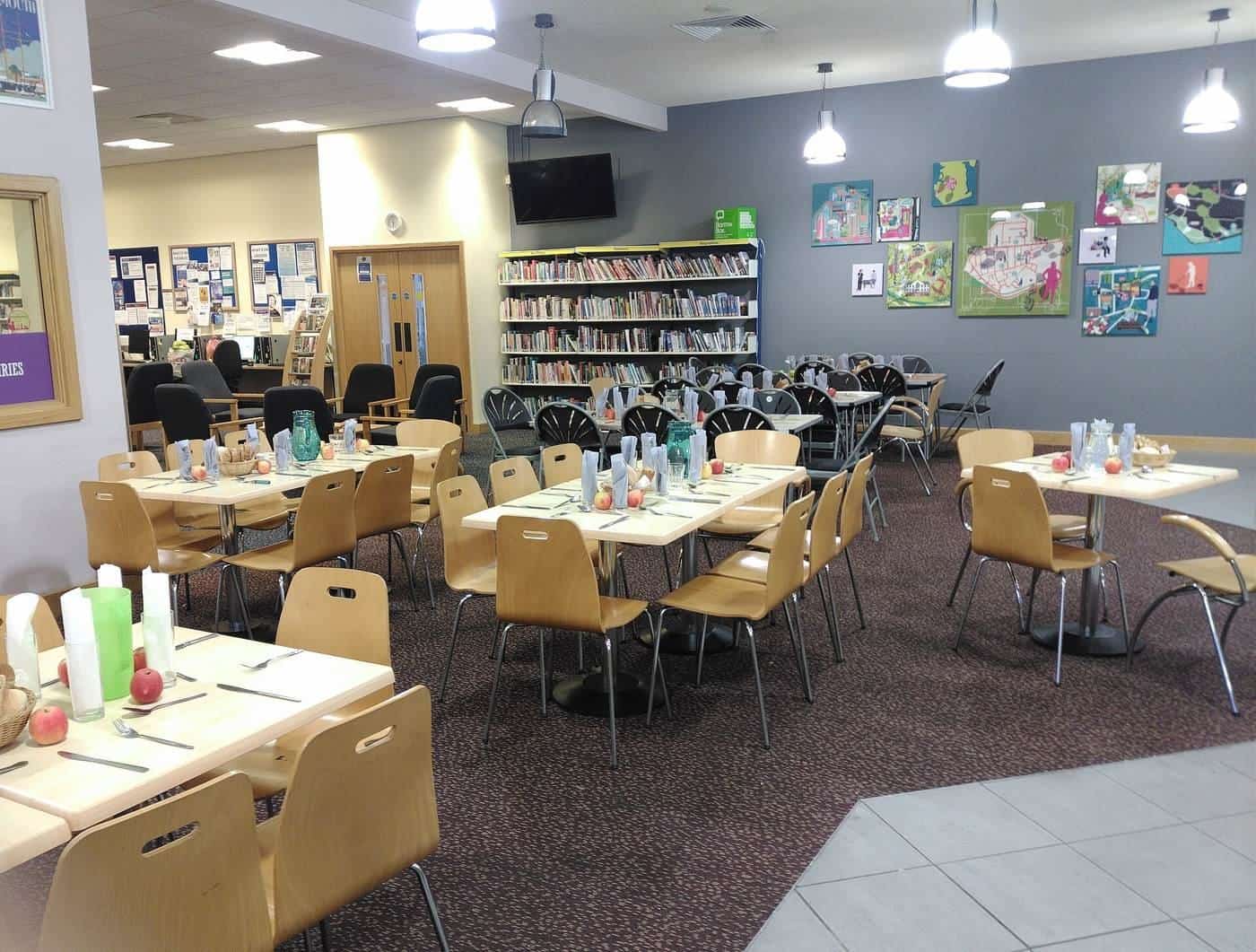
- Shared meals and the common house: cooking teams, costs and food safety.
- Ecovillages and other shared living: how cohousing compares with other options.
Five things to know before you start
- It takes time. New communities often take years from first meeting to move-in.
- It's not always cheaper. Shared facilities can save space, but development has costs and risks.
- Structure matters. The legal structure affects finance, control and who can join.
- Design shapes community. A central common house and pedestrian paths make connection easy.
- People make it work. Clear agreements, good meetings and goodwill matter most.
Who this guide is for
- People curious about cohousing and how it works.
- Families and older people looking for more connected living.
- Forming groups planning a new community.
- Councils, housing providers and professionals interested in community-led housing.
How we research
We base our guides on authoritative sources, including state fair trading and planning agencies, the Australian Government's Your Home guide, the Australian Building Codes Board, Moneysmart, the Australian Taxation Office, the Australian Housing and Urban Research Institute, cohousing networks in Australia and overseas, and reputable reference works. We cite sources on every page and update guides as rules change. We don't invent statistics, prices or testimonials. Read our editorial policy.
About this domain
Cohousing.com.au was previously the website of a small architecture practice working on cohousing projects. That site closed, and the domain was relaunched in 2026 as an independent guide with every page written from scratch. We're not connected with the previous owner or with any community, association or business mentioned on the site.